
Data Model is the description of the organization or the structure of data in the information system. This structure can be observed at three levels (It was given by ANSI in 1975)-
- Conceptual Data Model –
- This model describes the semantics of the data. In other words, it tells the manner in which users view the overall structure of data. Examples are – entity relationship models and ontologies.
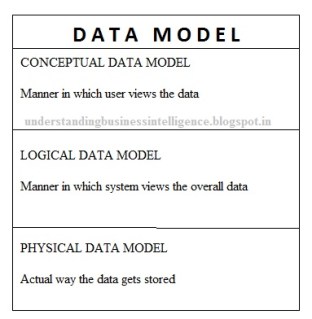
- Logical Data Model
- This model describes the way in which a database system views the overall structure of the data. Examples of this model include- Relational, object-oriented,object-relational model. It consist of description of tables and columns, object oriented classes, XML tags etc.
- Physical Data Model
- This model describes the way the data is actually stored in the disk or any other storage media. It is concerned with partitions, CPUs, tablespaces etc.
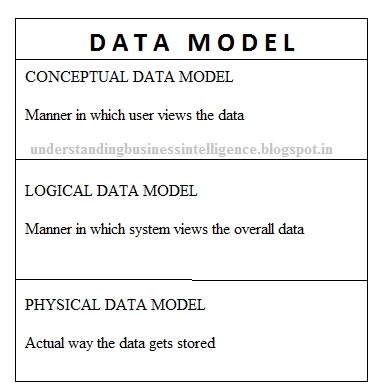
According to ANSI, the significance of this approach is that it allows the three perspectives to be relatively independent of each other.For example, storage technology can change without affecting either the logical or the conceptual model.
Early phases of many software development projects emphasize on the design of a conceptual model. This design can then be detailed into logical model and be further translated into physical model.
Note- The above is what is preferred, you can implement a conceptual model even independently.
Happy Learning 🙂
 Tanubhrt.This.Side
Leave a comment